West Cork Bulbs Eranthis Hyemalis 20 Bulbs (Winter Aconite)
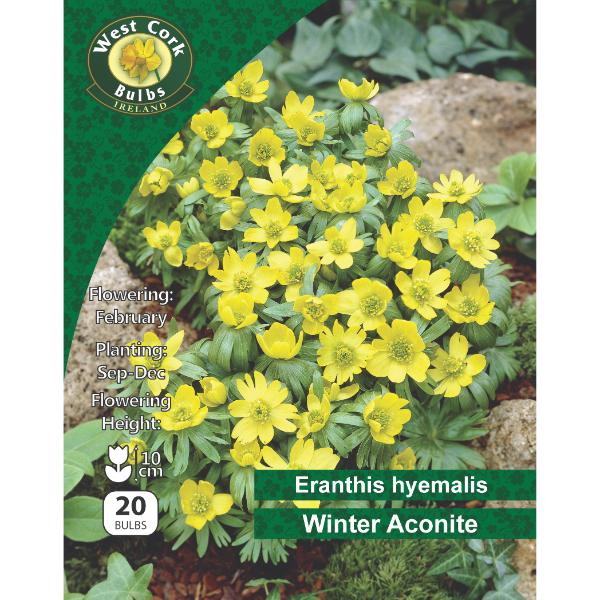
The West Cork Bulbs Eranthis Hyemalis 20 Bulbs (Winter Aconite) pack is a delightful choice for adding early color to your garden. Eranthis hyemalis, commonly known as Winter Aconite. These bulbs produce charming, bright yellow flowers that resemble tiny buttercups. Each bloom is surrounded by a delicate collar of green bracts. These Winter Aconites are known for their hardiness and ability to brighten up garden areas with their cheerful flowers. The pack contains 20 bulbs.
- They bloom in late winter to early spring, often one of the first flowers to appear.
- They typically grow to a height of 2-3 inches (5-8 cm).
- They thrive in moist, well-drained soil and prefer full sun to partial shade. Ideal for naturalizing in woodlands, under trees, or in shaded garden areas
- Perfect for garden borders, rock gardens, and as ground cover due to their low-growing habit.
- Best planted in the autumn.
- They are also deer-resistant and attract pollinators
$4.91
Original: $14.03
-65%West Cork Bulbs Eranthis Hyemalis 20 Bulbs (Winter Aconite)—
$14.03
$4.91Product Information
Product Information
Shipping & Returns
Shipping & Returns
Description
The West Cork Bulbs Eranthis Hyemalis 20 Bulbs (Winter Aconite) pack is a delightful choice for adding early color to your garden. Eranthis hyemalis, commonly known as Winter Aconite. These bulbs produce charming, bright yellow flowers that resemble tiny buttercups. Each bloom is surrounded by a delicate collar of green bracts. These Winter Aconites are known for their hardiness and ability to brighten up garden areas with their cheerful flowers. The pack contains 20 bulbs.
- They bloom in late winter to early spring, often one of the first flowers to appear.
- They typically grow to a height of 2-3 inches (5-8 cm).
- They thrive in moist, well-drained soil and prefer full sun to partial shade. Ideal for naturalizing in woodlands, under trees, or in shaded garden areas
- Perfect for garden borders, rock gardens, and as ground cover due to their low-growing habit.
- Best planted in the autumn.
- They are also deer-resistant and attract pollinators